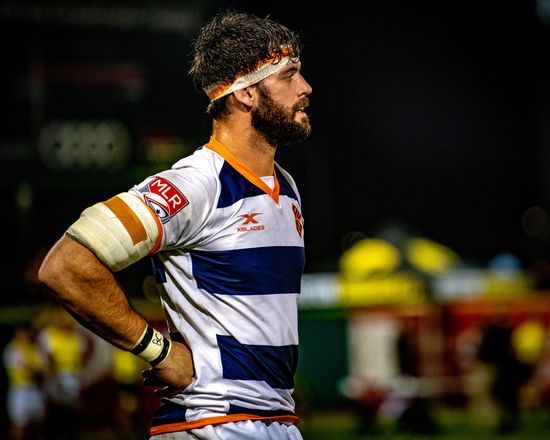
Sports Performance in Upper East Side, NYC

NASM-certified trainer Trevor Cassidy brings sports performance expertise to Upper East Side, NYC. In-person and online sessions available.

Get personalized sports performance training right here in Upper East Side with Trevor Cassidy, a NASM-certified personal trainer serving Upper East Side, NYC. Train the way your sport demands — faster, more powerful, and harder to beat. Whether you are just starting out or pushing toward advanced goals, Trevor builds your program from the ground up — no templates, no guesswork.

Training in Upper East Side

The Upper East Side is one of Manhattan's most affluent residential neighborhoods, stretching from 59th Street to 96th Street along the eastern edge of Central Park. Known for its Museum Mile, designer boutiques, and tree-lined side streets, the UES attracts professionals and families who value discretion and quality. Its proximity to Central Park makes it one of the best neighborhoods in the city for outdoor training year-round. The neighborhood is home to major employers like NewYork-Presbyterian/Weill Cornell Medical Center and Memorial Sloan Kettering, and its residents have a median household income above $130,000.

Popular Training Venues

  • Central Park (East Meadow & Reservoir Loop)
  • Asphalt Green
  • Equinox East 63rd Street
  • Carl Schurz Park

The Upper East Side is home to a high concentration of executives, physicians, and finance professionals who demand results-oriented fitness programs that fit into packed schedules. Many clients here prefer private in-home sessions for convenience and privacy. The typical UES client trains early mornings before 7:30 AM or during a midday break, and is often training for longevity and stress management rather than a specific aesthetic goal.

Key Benefits

Sport-Specific Power and Speed Development

Your program includes plyometrics, Olympic lift variations, and sprint mechanics tailored to the force vectors and velocities your sport demands. You get faster and more explosive in the directions that matter.

Reduced Injury Risk on the Field

Targeted strengthening of commonly injured areas — ACL-protective hamstring work for cutting sports, rotator cuff prehab for overhead athletes — keeps you competing instead of rehabbing.

Energy System Conditioning That Matches Your Game

A tennis match and a 10K race tax completely different energy systems. Trevor programs conditioning that mirrors the work-to-rest ratios and intensity demands of your specific sport.

Competitive Edge Over Opponents Who Only "Work Out"

Most recreational athletes train randomly. Structured sport-specific programming gives you a measurable advantage in strength, speed, and endurance against competitors who lack a real plan.

Our Methodology

Every sports performance program begins with a needs analysis: What are the dominant movement patterns, energy systems, and injury risks of the sport? Trevor then assesses the athlete — testing vertical jump, broad jump, sprint times, agility drills, and sport-specific strength benchmarks — to identify the biggest performance gaps. The training program targets those gaps systematically.

Programming follows a conjugate or block periodization model depending on the athlete's competitive calendar. Off-season blocks emphasize maximum strength and hypertrophy. Pre-season transitions to power, speed, and sport-specific conditioning. In-season programming drops volume to maintain gains while keeping the athlete fresh for competition. This structured approach ensures you peak when it counts — not in the gym on a random Tuesday. NASM-certified trainer Trevor Cassidy favors periodized models because the evidence is clear: periodized programs produce 36% greater strength gains than non-periodized training (Rhea & Alderman, Journal of Strength and Conditioning Research), and that strength advantage translates directly to on-field performance.

How It Works

1

Sport Needs Analysis & Athletic Assessment

Trevor evaluates the physical demands of your sport and tests your current athletic baselines — jump height, sprint speed, agility, strength-to-bodyweight ratios — to identify the areas where targeted training will yield the biggest performance gains.

2

Periodized Performance Program

You receive a multi-phase training plan aligned with your competitive season. Each phase has specific goals — build strength, convert to power, sharpen sport-specific conditioning — so you arrive at competition in peak form.

3

Coached Power and Speed Sessions

Plyometric and speed work require precise technique to be effective and safe. In-person sessions with Trevor ensure your landing mechanics, sprint form, and explosive movement patterns are dialed in.

4

Performance Retesting & Program Progression

Every six to eight weeks, Trevor retests key performance metrics. Improvements in jump height, sprint times, or agility scores confirm the program is working and guide the next training phase.

Frequently Asked Questions

I am not a professional athlete. Is sports performance training still for me?
Yes, and most of Trevor's performance clients are recreational competitors, not professionals. Adults in soccer, basketball, tennis, and running leagues make up the majority of his sports training roster. Sport-specific programming improves power output by 15-25% (<a href="https://www.nsca.com/" target="_blank" rel="noopener noreferrer">NSCA</a> position statement), and that advantage shows up whether you are competing at a pro level or in your local adult league.
How is sports performance training different from regular personal training?
The difference is specificity. Regular personal training targets general fitness — strength, body composition, cardiovascular health. Sports performance training targets the exact physical qualities your sport demands: power output, change-of-direction speed, sport-specific endurance, and reactive agility. Every exercise, rep scheme, and conditioning protocol is selected based on a needs analysis of your sport. Trevor uses periodized programming models that peak your performance for competition, not for a random gym session.
Can you work around an existing team practice schedule?
Yes, and this is a core part of the programming process. Trevor designs programs that account for your practice days, game schedule, and recovery windows. Training load is managed across the week so you show up to competition fresh and prepared, not fatigued from a heavy gym session the day before. In-season programming drops volume to maintain gains while keeping you ready to perform.
Do you offer in-home personal training on the Upper East Side?
Yes, Most of my Upper East Side clients train at home. I bring all necessary equipment and design sessions that work within your space, whether it's a penthouse living room or a private home gym. Most UES apartments have enough room for a full session with just 8 by 8 feet of open floor space.
Can we train in Central Park from the Upper East Side?
Absolutely — the East Meadow and Reservoir Loop are within a 5-minute walk from most UES addresses. The 1.58-mile Reservoir Loop is ideal for warm-up runs, and the nearby East Meadow offers flat grass space for strength circuits and agility drills. Outdoor sessions run from April through November.

Client Results

“Trevor is the best in the business. He is incredibly knowledgeable, motivating, and genuinely cares about his clients' progress. Every session is challenging but structured perfectly. I've seen results I never thought possible.”

James S.

Start Sports Performance in Upper East Side

Book a free consultation with NASM-certified trainer Trevor Cassidy to discuss your goals and get started with a personalized program.